
Clinical Supervision for Colorado LPCCs

With Michelle Manning, LPC, NCC
Supportive, thoughtful supervision as you grow into your work as a counselor
Becoming a therapist is meaningful work — and it can also feel vulnerable, confusing, and a little (or maybe more than a little) overwhelming at times.
You may be carrying difficult client stories, trying to understand diagnosis and treatment planning, wondering if you are “doing it right,” navigating documentation, managing ethical questions, or slowly building confidence in your own clinical voice.
Clinical supervision should be more than a box to check for licensure.
At Mighty Acorn Therapy, supervision is designed to be a place where you can slow down, think clearly, ask honest questions, deepen your clinical skills, and feel supported as you grow into the kind of counselor you want to become.

Supervision that is warm, practical, and clinically grounded
I provide clinical supervision for Colorado LPCCs working toward LPC licensure.
My supervision style is relational, collaborative, direct, and grounded in the real-life complexity of clinical work. I want supervisees to feel safe bringing honest questions into the room — not just polished case presentations that make everything sound more certain than it actually feels.
I also believe supervision needs room for humor and camaraderie. This work can be heavy. We sit with pain, trauma, anxiety, uncertainty, family systems, ethical questions, documentation, and the occasional “what on earth just happened in that session?” moment. Supervision should be a place where we take the work seriously without taking ourselves so seriously that we lose our humanity.
Together, we may focus on:
Case conceptualization
Treatment planning
Documentation and clinical decision-making
Ethics and boundaries
Diagnosis and assessment
Anxiety, OCD, trauma, attachment wounds, ADHD, and neurodivergence
Working with teens, adults, parents, and couples
Therapist self-trust and clinical confidence
Private practice questions, when relevant
Managing the emotional weight of this work without losing yourself in it
My goal is to help you become more clinically grounded, ethically thoughtful, and confident — while still making room for your own personality, values, and therapeutic style.


You do not need to have it all figured out
Many newer clinicians worry that supervision is a place where you’re supposed to prove you already know what you’re doing–that you’ve learned everything you need to know in your practicum and internship and have things, mostly, figured out.
In reality, many graduates don’t feel that way. Your practicum and internship may not have provided you with a wide variety of client issues or your supervision may have felt rushed or not as supportive and educational as you would have liked. Many internships during graduate study provide an excellent starting place for your clinical development, but may not lead to you achieving your LPCC with as much confidence as you would have liked. This is where supervision during your time as an LPCC comes into play.
Good supervision should be a place where you can say things like:
“I feel stuck with this client.”
“I am not sure how to conceptualize this. I’m not sure how or where to start.”
“I think I missed something.”
“I am worried I am working harder than the client.”
“I need help understanding what is mine and what is theirs.”
“I’m already feeling overwhelmed and burned out, and I’m not even close to full client capacity.”
“I know the theory, but I am not sure what to actually do next session.”
“How do I decide between working as an employee or contractor or going into a solo or group private practice?”
Those are not signs that you are failing. They are signs that you are doing real clinical work, building a career, and taking it seriously.
Individual and group supervision options
I offer individual supervision and offer small group supervision depending on interest and fit.
Individual supervision can be especially helpful if you want more focused attention on your cases, clinical development, documentation, ethical questions, or private practice growth.
Group supervision can be a supportive and cost-conscious option for clinicians who want to learn from other supervisees, hear a wider range of case material, and feel less alone in the process.
If you are unsure which format is right for you, we can talk through your needs, schedule, budget, and licensure requirements.
A good fit for supervisees who want depth and practical support
This may be a good fit if you are looking for supervision that is:
Warm and approachable
Clinically thoughtful
Honest without being harsh
Structured without being rigid
Ethically grounded
Neurodivergent-affirming
Supportive of deep-feeling, reflective clinicians
Practical enough to help you know what to do next
Serious about the work, but not allergic to laughter
I especially enjoy working with supervisees who want to understand clients deeply, build strong clinical judgment, and develop a therapy style that is both effective and genuinely human.
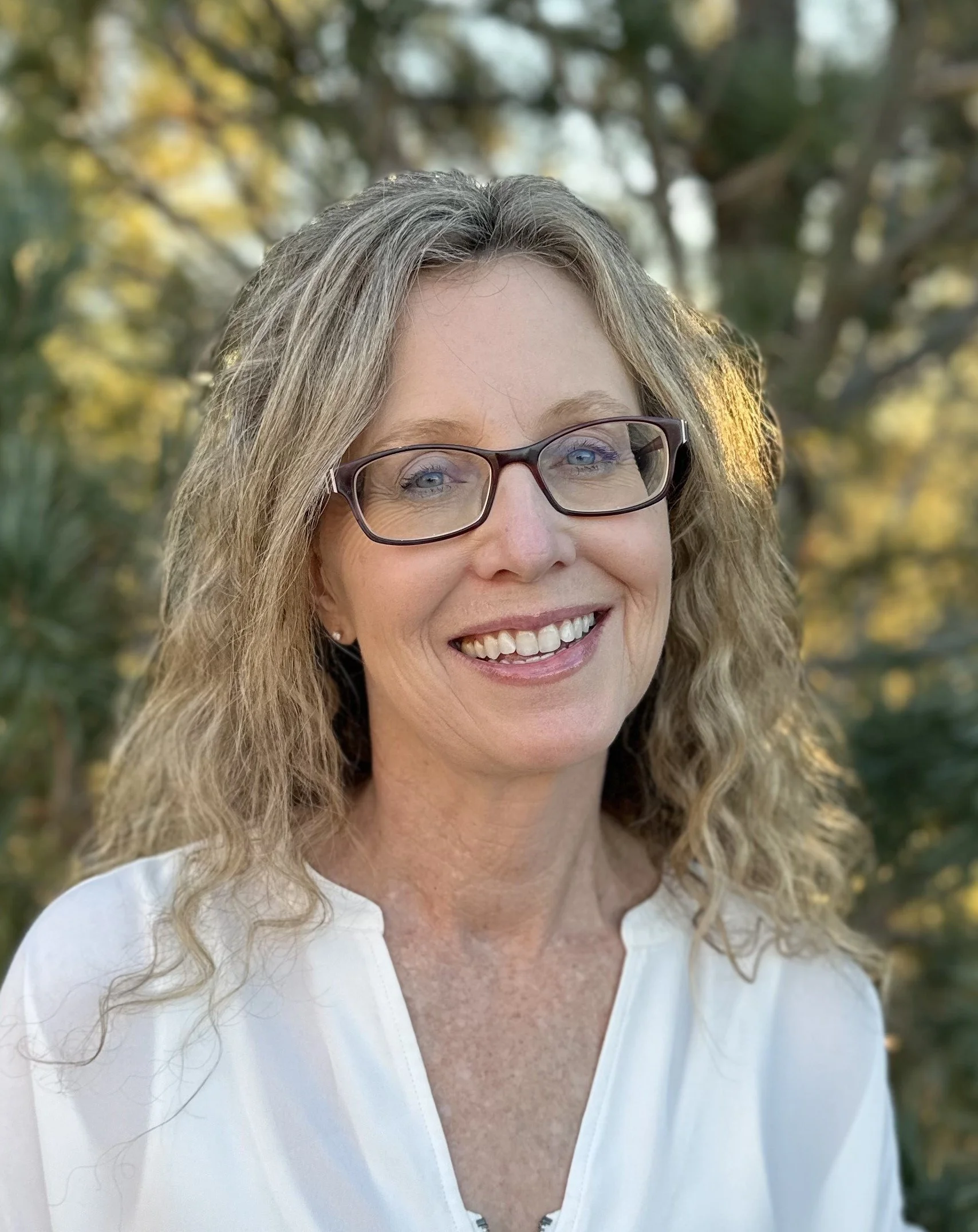
About Michelle…
I’m Michelle Manning, LPC, NCC, and the founder of Mighty Acorn Therapy.
My clinical work focuses on anxiety/panic/phobias, OCD and intrusive thoughts, ADHD, the Highly Sensitive Person, trauma and attachment wounds, emotional overwhelm, identity and life transitions, teen therapy, parent support, and couples work.
I draw from schema therapy, CBT, ACT, Exposure and Response Prevention, IFS-informed work, somatic approaches, and attachment-based therapy. I care deeply about clinical nuance, ethical practice, and helping therapists think clearly rather than simply memorize what they are “supposed” to do. Learning to see patterns and effects across time is a skill that can be learned and is integral to providing clients deeper and lasting change.
I know how much courage it takes to step into this field. I also know that newer clinicians often need more than encouragement. They need warmth, structure, honest feedback, good questions, practical tools, and a supervisor who will take both the work and the person seriously. This isn’t just about getting the hours in (although that’s important too :)), it’s about reaching your LPC with the knowledge and skills you need to be successful and acheive your goals.
Fees for Supervision
Supervision is an investment, and I know newer clinicians are often balancing licensure requirements, work schedules, student loans, and the cost of building a career. My goal is to keep fees clear from the beginning so you can make an informed decision.
-
![Colorado LPCC Supervision]()
Individual Supervision
$175 per supervision hour: One-on-one supervision for Colorado LPCCs seeking focused support with clinical work, documentation, ethics, case conceptualization, and professional development.
-
![Group LPCC Supervision Colorado Denver Parker]()
Triadic Supervision
$90 per person per supervision hour: For two supervisees meeting together with one supervisor. Triadic supervision may be a helpful middle ground for clinicians who want more focused support than a larger group while sharing some of the cost.
Group and triadic supervision availability depends on schedule, fit, and current interest.
-
![]()
Group Supervision
$50 per person per supervision hour: For small groups of Colorado LPCCs. Group supervision can be a more affordable way to receive support, learn from other clinicians, and feel less alone in the licensure process.
Group and triadic supervision availability depends on schedule, fit, and current interest.



Let’s Work Together